Truffle Butter
Indica

Truffle Butter Cannabis Strain

AKA aka Truffle Budder
Top Reported Effects
  • top-reported-sublist Happy
  • top-reported-sublist Creative
  • top-reported-sublist Focused
Top Reported Flavors
  • top-reported-sublist Mango
  • top-reported-sublist Ammonia
  • top-reported-sublist Strawberry

Your Cannabis AI assistant

*By signing up, you agree to the Terms and Conditions and Privacy Policy. California residents, see our CA Privacy Notice.

*By signing up, you agree to the Terms and Conditions and Privacy Policy. California residents, see our CA Privacy Notice.

Unlock the full potential of Truffle Butter Cannabis Strain

Truffle Butter, an indica-dominant hybrid cannabis strain, results from an expert genetic cross between the renowned Gelato and Chocolate Kush strains. Bred meticulously by THClones, this potent weed strain boasts a THC content of 21%, making it a perfect choice for seasoned cannabis enthusiasts.

The most prevalent terpene in Truffle Butter is caryophyllene, which contributes to its unique aroma and flavor profile. Users of this strain can expect an alluring blend of sweet, fruity, and earthy scents, complemented by a delectable taste featuring rich notes of berries and nutty coffee.

Truffle Butter Marijuana Strain

Upon exhaling Truffle Butter, its effects quickly spread throughout the mind and body. Initially, users experience uplifting happiness and increased euphoria. However, this sensation soon transitions into a drowsy, unfocused state accompanied by a sedative and relaxing couch lock.

Flavors

Truffle Butter induces a fresh fruity inhale packed with flavors of sweet fruit, tart berries, and sweet caramel-flavored coffee.

Aroma

This strain has a similar aroma of berries, sweet fruits, and delicious coffee to go with the sweet flavor profile of Truffle Butter.

Physical traits

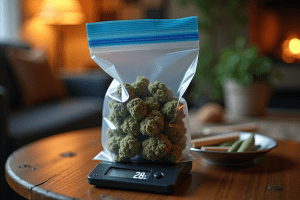
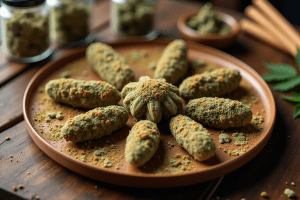
The Truffle Butter buds are fluffy and rounded with dark olive green nugs with dark amber undertones, furry orange pistils, and thick bright amber trichomes.

Medical Benefits of Truffle Butter Strain

The Truffle Butter strain offers health benefits for certain conditions like:

  • Anxiety

  • Chronic Stress

  • Muscle Spasms

  • Insomnia

  • Chronic Pain

  • Chronic Fatigue

  • Post-traumatic Stress Disorder

Possible Side Effects

There are many medical benefits to using strains, but if you use it in higher doses, due to THC content, you could notice adverse effects such as:
  • dry mouth

  • dry eyes

  • anxiety

  • paranoia or hyper-awareness

  • fatigue

The THC content of Truffle Butter Weed

The THC levels of Truffle Butter marijuana have an average of 20-21 percent, with the highest test reaching around 25 percent.

Growing Truffle Butter buds

Truffle Butter can be grown indoors or outdoors but is best when cultivated outside. This hybrid strain grows between 30 to 60 cm tall and is moderately difficult to grow. Truffle Butter strain information may be scarce, but it is known that these plants are typically small and suitable for both indoor and outdoor cultivation.

Indoor growing yields moderate results, while outdoor cultivation can increase yields. Obtaining Truffle Butter seeds can be challenging, but the strain can be grown from clippings. With moderate growing difficulty, some skill is required to cultivate this plant successfully.

To properly care for Truffle Butter plants, it is crucial to consider their indica heritage, particularly their dense buds. Employing topping and trimming techniques can improve ventilation and ensure that inner buds receive ample light, helping to prevent humidity buildup and promoting overall plant health.

Flowering Time

 Truffle Butter Strain's flowering time averages seven to nine weeks indoors to reach the prime age and will be ready for harvest outdoors around mid-October.

Cannabis Sativa

Sativa cannabis seeds do well in warmer regions of the Earth and can thrive with high humidity levels. The typical locations where Sativa strains are grown are Central America, South America, and Southeast Asia. Sativa is tall and slender with thin, light green leaves. 

Many people report that smoking Sativa energizes them, leaving them creative and focused. These psychological effects make Sativa strains best for daytime use because using them at night may cause insomnia due to the higher THC levels. 

There are many reasons people use Sativa cannabis strains, including: 
  • Easing depression symptoms

  • Headache and Pain relief 

  • Decreasing Nausea

  • Fighting appetite loss

  • Better Focus

  • Head High over Body High

Cannabis Indica

Cannabis Indica is commonly found growing in the dryer climates of the Middle East. They are short and bushy with large, dark green leaves. The buds tend to be much denser in Indica versus Sativa. Many popular Indica strains have higher CBD content than Sativa.

Most Indica weed contains an almost even amount of CBD and THC levels. Since Pure Indica strains tend to be relaxing, they're best for nighttime use due to the intense body high.  

Common Effects

  • Relieving intense body and muscle pain

  • Reducing nausea and increasing appetite

  • Easing insomnia and promoting healthy sleep

  • Reducing anxiety symptoms

Top 3 Truffle Butter Effects

  1. Uplifted

  2. Happy

  3. Sleepy

What's the average price for Truffle Butter buds?

Depending on location and quality, you can typically find it for about sixteen dollars per gram.

Similar Strains to the truffle butter strain

  • Gelato

  • Chocolate Kush

  • OG Kush

  • Chocolope

  • Bubble Gum Gelato

Final Thoughts on Truffle Butter Cannabis Strain

Renowned for its powerful and versatile effects, Truffle Butter is a popular choice among medical marijuana patients and recreational users alike. Truffle Butter Strain effects are known to induce feelings of euphoria, relaxation, and arousal, making it a sought-after option for those needing unwinding or seeking a sensual experience.

As a medicinal aid, you can't beat Truffle Butter. It relieves various conditions, including chronic pain, depression, and insomnia. This versatile strain's combination of therapeutic properties and enjoyable sensory experience makes it a top choice for cannabis connoisseurs and medical patients.


Reviews

5 star
0
4 star
0
3 star
0
2 star
0
1 star
0

A Journey into the Diverse World of Strains


Types of Cannabis Strains:

Cannabis strains are generally classified into three main types, each with distinct characteristics and effects:

  • Indica: Known for their relaxing and calming effects, Indica strains are often favored for evening use, stress relief, and relaxation. They are typically associated with a "body high" and may promote physical relaxation and sleep.
  • Sativa: Sativa strains are known for their uplifting and energizing effects, making them popular for daytime activities, creative pursuits, and socializing. They tend to produce a more cerebral or "head high" and may stimulate creativity and focus.
  • Hybrid: Hybrid strains are a combination of Indica and Sativa genetics and offer a balance of effects. They are available in various ratios (e.g., Indica-dominant, Sativa-dominant, or balanced) and may exhibit characteristics of both parent strains.


Cannabinoids and Terpenes:

Cannabis plants contain a variety of chemical compounds called cannabinoids and terpenes that contribute to the strain's effects, flavors, and aromas:

  • Cannabinoids: The most well-known cannabinoids are THC (tetrahydrocannabinol) and CBD (cannabidiol). THC is responsible for the psychoactive effects of cannabis, while CBD is non-intoxicating and may have therapeutic properties. The ratio of THC to CBD in a strain can influence its overall effects.
  • Terpenes: Terpenes are aromatic compounds found in cannabis and other plants. They give each strain its unique scent and flavor profile (e.g., citrusy, earthy, fruity) and may also influence the strain's effects.


Choosing the Right Strain:

Selecting the right cannabis strain depends on individual preferences and desired effects. Consider the following factors when choosing a strain:

  • Desired Effects: Consider the type of experience you're seeking, whether it's relaxation, pain relief, creativity, or socializing.
  • Tolerance: If you're new to cannabis or have a lower tolerance, consider strains with lower THC levels or strains with a balanced THC-to-CBD ratio.
  • Medical Conditions: If you're using cannabis for medical purposes, specific strains may be more suitable for addressing particular symptoms or conditions.


Responsible Consumption:

Cannabis affects everyone differently, so it's important to consume responsibly and start with a low dose, gradually increasing as needed to find your ideal experience. Be mindful of the method of consumption (e.g., smoking, vaping, edibles) as it can impact the onset and duration of effects.


Legal Considerations:

Familiarize yourself with local cannabis laws and regulations regarding marijuana use, possession, and purchase. Laws vary by location, and it's important to ensure compliance.

Remember, the information provided in this section is intended to serve as a general guide. Consult with a cannabis healthcare professional for specific medical concerns, and always verify the legality of cannabis in your location.


Frequently Asked Questions About Cannabis Strains


What are the main types of cannabis strains?

Cannabis strains are generally classified into three main types: Indica, Sativa, and Hybrid. Indica strains are known for their relaxing and calming effects, often used for stress relief and relaxation. Sativa strains are known for their uplifting and energizing effects, making them suitable for daytime activities and creative pursuits. Hybrid strains are a combination of Indica and Sativa genetics and can offer a balance of effects, with various ratios available (e.g., Indica-dominant, Sativa-dominant, or balanced).

What are cannabinoids and terpenes, and why are they important in cannabis strains?

Cannabinoids are chemical compounds found in cannabis that interact with the body's endocannabinoid system to produce various effects. The most well-known cannabinoids are THC (tetrahydrocannabinol), which is responsible for the psychoactive effects of cannabis, and CBD (cannabidiol), which is non-intoxicating and known for its potential therapeutic properties. Terpenes are aromatic compounds found in cannabis and other plants that contribute to each strain's unique scent and flavor profile. Terpenes may also influence the strain's effects and are believed to work synergistically with cannabinoids in what is known as the "entourage effect."

How do I choose the right cannabis strain for me?

Choosing the right cannabis strain depends on your individual preferences, desired effects, and any specific needs or goals. Consider factors such as the type of experience you're seeking (e.g., relaxation, pain relief, creativity), your tolerance level, and any medical conditions or symptoms you wish to address. It's also important to start with a low dose and gradually increase as needed, especially if you're new to cannabis. Don't hesitate to ask knowledgeable staff at dispensaries, known as budtenders, for recommendations based on your preferences.

What's the difference between THC and CBD, and how do they affect cannabis strains?

THC (tetrahydrocannabinol) is the primary psychoactive compound in cannabis and is responsible for producing the "high" associated with marijuana use. It can induce euphoria, relaxation, and altered sensory perception. CBD (cannabidiol), on the other hand, is non-intoxicating and does not produce a psychoactive high. CBD is known for its potential therapeutic properties and may help with conditions such as pain, anxiety, inflammation, and seizures. Cannabis strains vary in their THC-to-CBD ratios, which can influence the overall effects. For example, strains high in THC may produce stronger psychoactive effects, while strains with balanced THC-to-CBD ratios may offer milder effects with potential medical benefits.

Can I mix different cannabis strains together, and what effects can I expect?

Mixing different cannabis strains together, often referred to as "cannabis cocktails," is a common practice among experienced users seeking to create a unique combination of effects. When mixing strains, consider the characteristics of each strain (e.g., Indica, Sativa, THC/CBD levels) and how they may complement or enhance each other. For example, mixing an energizing Sativa strain with a relaxing Indica strain may create a balanced experience. However, it's important to start with small amounts and monitor your reactions, as individual responses to cannabis can vary. Mixing strains is best done with caution and a clear understanding of how each strain may affect you.

Cannabis Resources

Discover what live resin vape is, its benefits, types, and production methods in this comprehensive guide.
Explore the term "whats a zip slang" to understand its meaning, cost, and usage in cannabis culture.
Discover the essentials of Sun Rocks: composition, potency, and effects for cannabis enthusiasts.
Discover the uses, benefits, and history of marijuana pills for effective cannabis consumption.
Discover how much an eighth of weed is, including its meaning, cost, and usage in this beginner's guide.
Learn effective methods for hitting a cart without a battery safely and efficiently.