A Journey into the Diverse World of Strains
Types of Cannabis Strains:
Cannabis strains are generally classified into three main types, each with distinct characteristics and effects:
- Indica: Known for their relaxing and calming effects, Indica strains are often favored for evening use, stress relief, and relaxation. They are typically associated with a "body high" and may promote physical relaxation and sleep.
- Sativa: Sativa strains are known for their uplifting and energizing effects, making them popular for daytime activities, creative pursuits, and socializing. They tend to produce a more cerebral or "head high" and may stimulate creativity and focus.
- Hybrid: Hybrid strains are a combination of Indica and Sativa genetics and offer a balance of effects. They are available in various ratios (e.g., Indica-dominant, Sativa-dominant, or balanced) and may exhibit characteristics of both parent strains.
Cannabinoids and Terpenes:
Cannabis plants contain a variety of chemical compounds called cannabinoids and terpenes that contribute to the strain's effects, flavors, and aromas:
- Cannabinoids: The most well-known cannabinoids are THC (tetrahydrocannabinol) and CBD (cannabidiol). THC is responsible for the psychoactive effects of cannabis, while CBD is non-intoxicating and may have therapeutic properties. The ratio of THC to CBD in a strain can influence its overall effects.
- Terpenes: Terpenes are aromatic compounds found in cannabis and other plants. They give each strain its unique scent and flavor profile (e.g., citrusy, earthy, fruity) and may also influence the strain's effects.
Choosing the Right Strain:
Selecting the right cannabis strain depends on individual preferences and desired effects. Consider the following factors when choosing a strain:
- Desired Effects: Consider the type of experience you're seeking, whether it's relaxation, pain relief, creativity, or socializing.
- Tolerance: If you're new to cannabis or have a lower tolerance, consider strains with lower THC levels or strains with a balanced THC-to-CBD ratio.
- Medical Conditions: If you're using cannabis for medical purposes, specific strains may be more suitable for addressing particular symptoms or conditions.
Responsible Consumption:
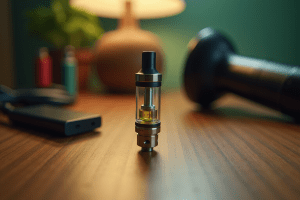
Cannabis affects everyone differently, so it's important to consume responsibly and start with a low dose, gradually increasing as needed to find your ideal experience. Be mindful of the method of consumption (e.g., smoking, vaping, edibles) as it can impact the onset and duration of effects.
Legal Considerations:
Familiarize yourself with local cannabis laws and regulations regarding marijuana use, possession, and purchase. Laws vary by location, and it's important to ensure compliance.
Remember, the information provided in this section is intended to serve as a general guide. Consult with a cannabis healthcare professional for specific medical concerns, and always verify the legality of cannabis in your location.
Frequently Asked Questions About Cannabis Strains
What are the main types of cannabis strains?
Cannabis strains are generally classified into three main types: Indica, Sativa, and Hybrid. Indica strains are known for their relaxing and calming effects, often used for stress relief and relaxation. Sativa strains are known for their uplifting and energizing effects, making them suitable for daytime activities and creative pursuits. Hybrid strains are a combination of Indica and Sativa genetics and can offer a balance of effects, with various ratios available (e.g., Indica-dominant, Sativa-dominant, or balanced).
What are cannabinoids and terpenes, and why are they important in cannabis strains?
Cannabinoids are chemical compounds found in cannabis that interact with the body's endocannabinoid system to produce various effects. The most well-known cannabinoids are THC (tetrahydrocannabinol), which is responsible for the psychoactive effects of cannabis, and CBD (cannabidiol), which is non-intoxicating and known for its potential therapeutic properties. Terpenes are aromatic compounds found in cannabis and other plants that contribute to each strain's unique scent and flavor profile. Terpenes may also influence the strain's effects and are believed to work synergistically with cannabinoids in what is known as the "entourage effect."
How do I choose the right cannabis strain for me?
Choosing the right cannabis strain depends on your individual preferences, desired effects, and any specific needs or goals. Consider factors such as the type of experience you're seeking (e.g., relaxation, pain relief, creativity), your tolerance level, and any medical conditions or symptoms you wish to address. It's also important to start with a low dose and gradually increase as needed, especially if you're new to cannabis. Don't hesitate to ask knowledgeable staff at dispensaries, known as budtenders, for recommendations based on your preferences.
What's the difference between THC and CBD, and how do they affect cannabis strains?
THC (tetrahydrocannabinol) is the primary psychoactive compound in cannabis and is responsible for producing the "high" associated with marijuana use. It can induce euphoria, relaxation, and altered sensory perception. CBD (cannabidiol), on the other hand, is non-intoxicating and does not produce a psychoactive high. CBD is known for its potential therapeutic properties and may help with conditions such as pain, anxiety, inflammation, and seizures. Cannabis strains vary in their THC-to-CBD ratios, which can influence the overall effects. For example, strains high in THC may produce stronger psychoactive effects, while strains with balanced THC-to-CBD ratios may offer milder effects with potential medical benefits.
Can I mix different cannabis strains together, and what effects can I expect?
Mixing different cannabis strains together, often referred to as "cannabis cocktails," is a common practice among experienced users seeking to create a unique combination of effects. When mixing strains, consider the characteristics of each strain (e.g., Indica, Sativa, THC/CBD levels) and how they may complement or enhance each other. For example, mixing an energizing Sativa strain with a relaxing Indica strain may create a balanced experience. However, it's important to start with small amounts and monitor your reactions, as individual responses to cannabis can vary. Mixing strains is best done with caution and a clear understanding of how each strain may affect you.